
What to Eat After a Miscarriage: Best Foods for Healing and Recovery
Going through a miscarriage is heartbreaking, both emotionally and physically. It’s something that happens more often than we think (around 10-20% of pregnancies end in miscarriage), yet it’s still a topic that doesn’t get nearly enough space for open conversation, sharing and comprehensive support.
If you're wondering what to eat after a miscarriage, nourishing your body is one meaningful way to support your healing. While food can't take away the grief of pregnancy loss, it can provide your body with the nutrients it needs to recover.
Nutrient-rich meals can replenish blood loss, provide the protein and healthy fats needed for healing, reduce inflammation, and help support both your physical and emotional wellbeing during this difficult time.
As someone who talks a lot about supporting the postpartum period with nutrition, I believe that after a pregnancy loss, you too are postpartum and deserve that same nourishment and care. Whether your miscarriage occurred early or later in pregnancy, your body has been through a significant experience and deserves support as it heals.
In this guide, you'll learn which nutrients to prioritize after miscarriage, the best foods to eat for recovery, and practical meal ideas and recipes that can help make nourishing yourself feel a little easier during this season.
Quick Nutrition Priorities After Miscarriage
To support healing after miscarriage, prioritize foods that provide:
🥩 Iron to replenish blood loss from foods like beef meatballs and steak bites
🍳 Protein to support tissue repair from simple sources like eggs, chicken, and greek yogurt
🍓 Vitamin C to enhance iron absorption, which you can get from berries, bell peppers, and citrus fruits
🥜 Healthy fats to support hormone production, especially from salmon, avocados, and nuts and seeds
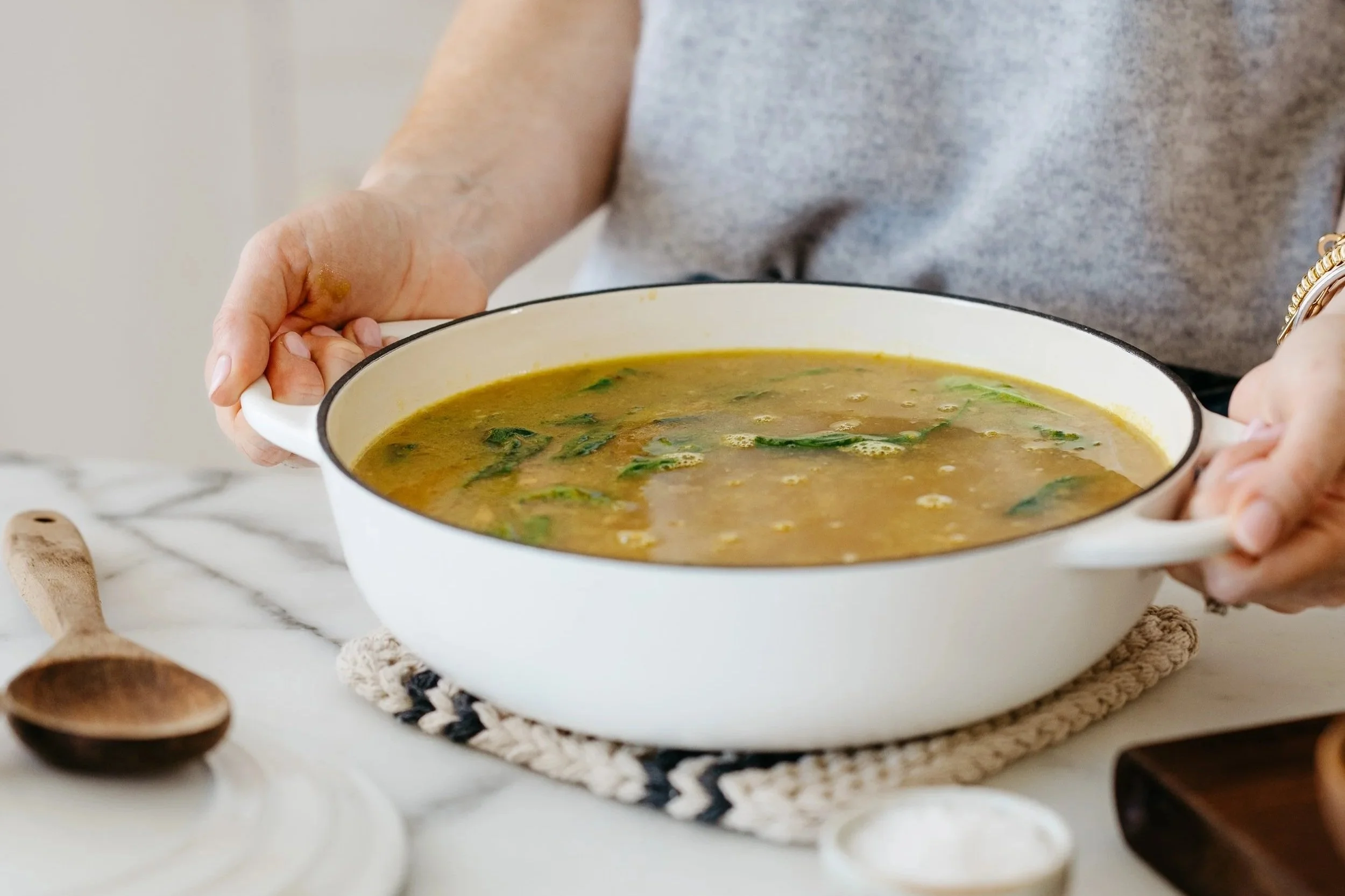
🫐 Anti-inflammatory foods, like in a comforting bowl and chicken and vegetable soup with ginger
💧 Hydration to support recovery from bone broth, simple soups, herbal teas and electrolytes
In this guide, you'll also find practical meal ideas, comforting recipes, and simple ways to nourish yourself when cooking feels overwhelming.
Nutrition to nourish your body after a miscarriage
Your body, especially your uterus and body tissues, need time to heal after a miscarriage and certain nutrients can help support the key components of your physical healing including tissue repair, inflammation and pain.
Foods and nutrients that can support your physical healing include:
Iron-rich foods: Blood loss during a miscarriage can leave you feeling drained. Replenish your iron with red meat, poultry, beans and lentils, to help boost energy and recovery.
Vitamin C: This vitamin is a healing helper nutrient and helps with tissue repair and makes it easier for your body to absorb iron. Citrus fruits, bell peppers, and berries are great sources.
Omega-3 fatty acids: Found in fatty fish, flaxseeds, and walnuts, omega-3s can help reduce inflammation and support healing. A simple and low energy meal of canned salmon made into salmon burgers or salmon salad with crackers is a great way to get in these key fats.
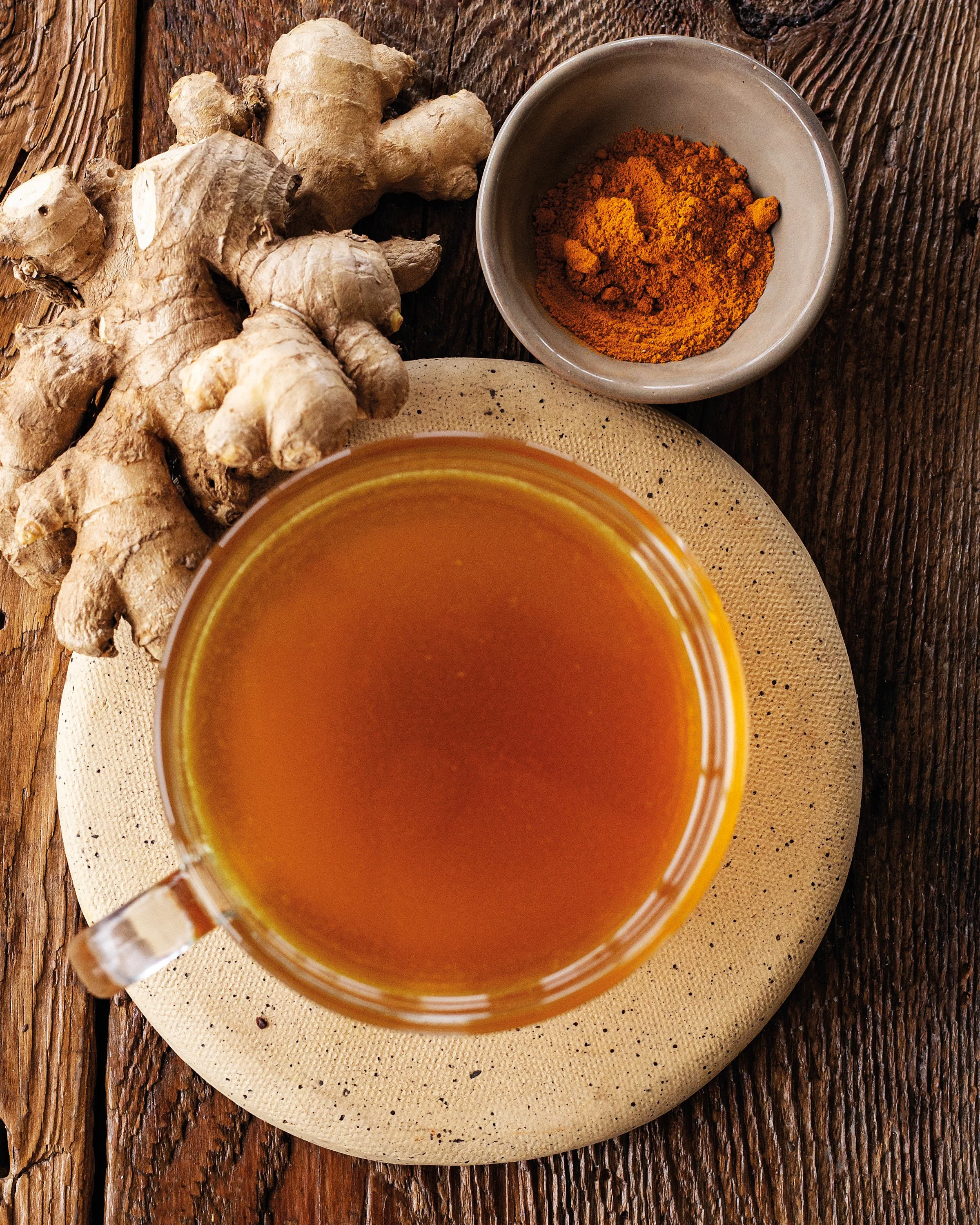
Anti-inflammatory foods: Ingredients like turmeric, ginger, and garlic are known for their anti-inflammatory properties and can help ease discomfort. A warming turmeric Golden Milk Latte is a great recipe to provide both physical and emotional nutrition support.
Protein foods: Protein is the building block for tissue repair, and focusing on high protein foods like chicken, beef, tofu, fish, eggs, dairy can help support your healing.
You might also want to sip on herbal teas like red raspberry leaf tea, which is often used to support uterine health and is rich in the minerals that can support both healing and repletion after your loss, like iron, vitamin C, magnesium, and more.
Recipes for Healing After a Miscarriage
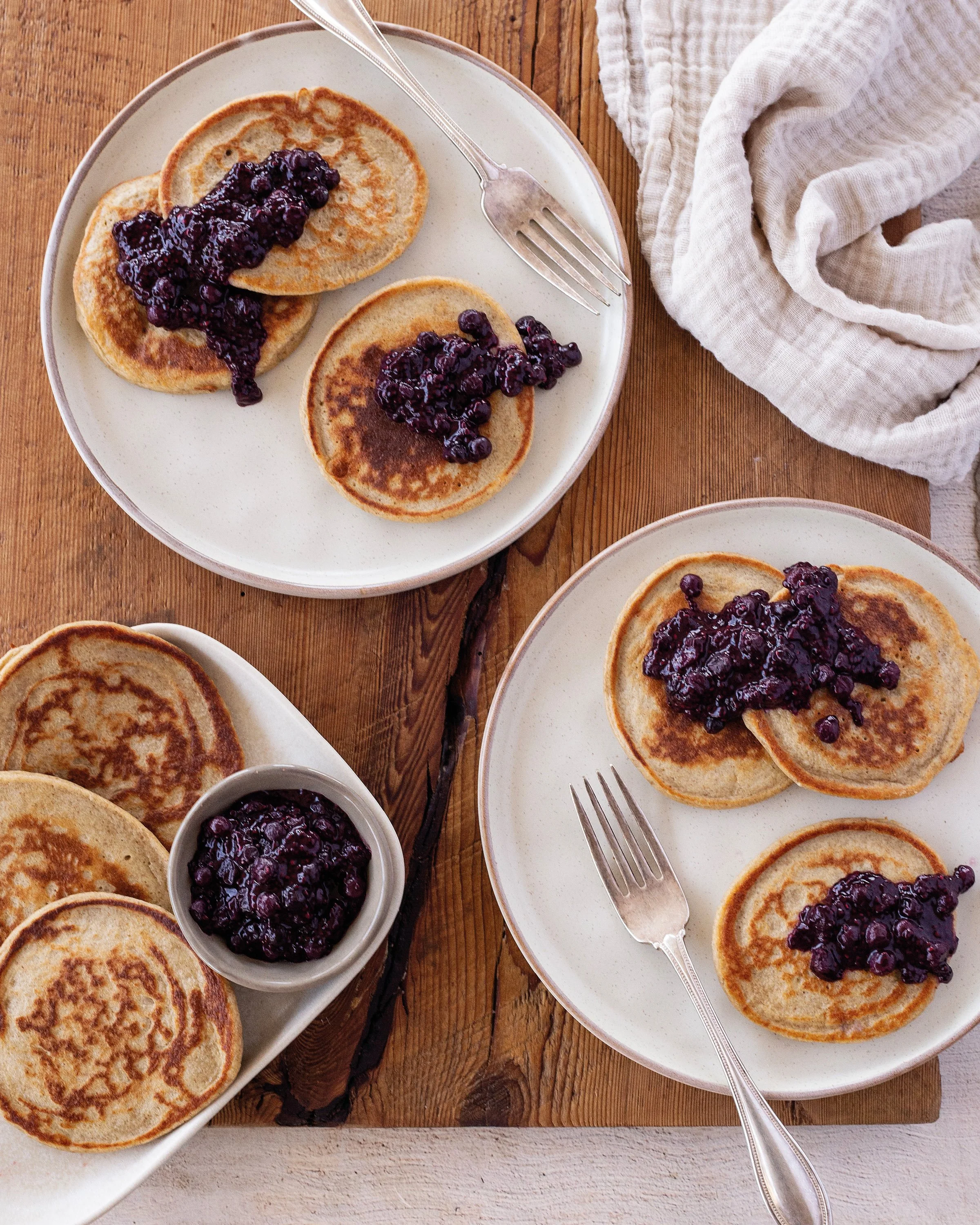
If you’re looking for healing and supportive recipes to nourish yourself after a miscarriage, here are a few I would recommend that use the strategies, foods, and nutrients mentioned here to support your recovery, uterine healing, pain, and comfort.
Managing pain through nutrition
Cramping and pain after miscarriage are common as your uterus heals. While medication can help, certain foods and nutrients may also support comfort and recovery.
Try adding these to support pain management:
Ginger: Known for its anti-inflammatory properties, ginger can help reduce cramping and discomfort. Enjoy it as a tea or add it to soups and stews.
Omega-3s: As mentioned earlier, these fatty acids are powerful anti-inflammatories and can help with pain management.
Hydration: Staying hydrated is essential for recovery. Electrolytes, healing bone broth, coconut water and herbal teas to help alleviate pain and support healing.
Light, small meals: At first, you might find lighter, easy to digest meals are easier for you to eat and lower your pain as they put less pressure on the digestive system. Meals like soups, avocado toast, and oatmeal with stewed pears are some ideas.
Foods to Support Emotional Healing After Miscarriage
Miscarriage affects your whole being. You might feel a whirlwind of emotions—grief, sadness, anger—everything you feel is always and completely valid. While food can’t make those feelings go away, it can offer some comfort, support your mental and physical experience, and help your body recover.
Despite messages we receive to the contrary, there is nothing wrong with comforting yourself with foods and meals that help you feel loved and cared for. If a warming chicken soup, nostalgic snack, or your favourite chocolate treat can bring you some comfort, that’s something that’s perfectly acceptable to embrace right now.
Food really is powerful when it comes to supporting our emotions and mental health. Some of our most impactful nutrients here include omega-3s from salmon or flaxseeds, magnesium from leafy greens and nuts, and B-vitamins found in eggs and whole grains. These can all help balance your mood and ease the emotional weight you’re carrying.
If making meals feels overwhelming, lean on your support network. Ask loved ones to bring you nourishing dishes to help lighten your load.

Nourishing your nervous system
After a loss, your nervous system needs nourishment to navigate the stress, anxiety, and grief you may be experiencing. Incorporating foods that support your nervous system can help you feel a bit more grounded and calm
Look for:
Magnesium-rich foods: Magnesium helps calm the mind and ease anxiety. Leafy greens, nuts, seeds, and whole grains are great sources.
Calming herbs: Nervine herbs are those that support your nervous system and can help with anxiety, overwhelm, and trouble sleeping. Herbs like chamomile, oat straw, lavender, and lemon balm tea can help soothe your nerves, while adaptogenic herbs like ashwagandha may help manage stress.
Nourishing fats: Fats are important for your nervous system and mental health. Pick those like fatty fish, nuts and seeds, and olive oil.
Chocolate: Good for the body and soul, dark chocolate is a great source of magnesium, antioxidants, and anti-inflammatory compounds.
Rebuilding Nutrient Stores Before a Future Pregnancy
Whenever a pregnancy ends, part of being in the postpartum process involves repleting nutrients. Pregnancy, no matter the length, places large nutritional demands on your body. You deserve the same care, nourishment, and support that you see being recommended for traditional postpartum care. No matter the length of your pregnancy, repleting nutrients is vital for your body, your healing, and for your hormones and fertility if you plan to try for another pregnancy in the future.
Focus on easy-to-digest, nutrient-packed foods that support healing, and help you get in key nutrients needed for nutrient repletion, especially if you intend to get pregnant again. Here are some of the nutrients to prioritize if this is the case for you:
Foods, meals and snacks that are soft cooked and warming, easing the pressure on your digestive system as your body focuses on healing, hormonal shifts, and processing. Some ideas include:
Soups, stews, stewed fruit, congee, porridge and quinoa puddings
Hydrating broths, fat and mineral rich slow-cooked meats, and well-cooked vegetables
Electrolyte-rich dairy products like milk, yogurt, and cottage cheese
Foods, meals and snacks high in the nutrients most likely to need repletion, if you plan to become pregnant again in the future:
Folate: Toss leafy greens like spinach into warming soups or stews, and use lentils as your protein in meals
Choline: Eggs are very high in choline and make the perfect light, easy to digest meal for comfort and pain management
Vitamin B12: Include beef in meals like beef stew or meatballs for a dose of B12 (as well as protein and iron, too).

More Recipes to Support Healing
If you're looking for more nourishing recipes and evidence-based nutrition guidance, the Ultimate Preconception Nutrition Guide is designed to support your recovery while helping you prepare your body for a future pregnancy.
Inside you'll find nourishing recipes, meal plans, grocery lists, and practical, step-by-step nutrition strategies to support fertility, reduce inflammation, replenish key nutrients, and create an optimal foundation for a healthy pregnancy.
Taking care of yourself
Self-care is critical after a miscarriage, but it can be hard to prioritize when you’re grieving. Don’t be afraid to lean on others. Ask friends or family to help with meals, household tasks, or simply keeping you company while you focus on healing.
Some ways to take care for yourself:
Nourishing soups and stews: These are easy to digest and packed with nutrients.
Gentle movement: Short walks or gentle yoga can promote circulation and healing if you feel up to it.
Rest and hydration: Keep yourself hydrated and give your body the rest it needs.
Remember, you deserve care and support after a miscarriage, just as you would after any pregnancy outcome. Lean on others and allow yourself time to recover, as much as you need.